April 6, 2026
Investing in a safe is one of the most practical ways to protect valuables, sensitive documents, and irreplaceable items. Whether you’re securing personal belongings at home or important assets for a business, choosing the right option requires careful thought. From sizing to security features, every decision plays a role in long-term protection and just as importantly in ensuring a safe installation that performs exactly as intended.
Evaluate Your Storage Needs Carefully
Before selecting a safe, take time to identify exactly what you plan to store. Documents, jewelry, electronics, and firearms all have different space and protection requirements, and understanding these differences helps you avoid choosing a model that falls short. Many people underestimate how quickly items accumulate, which can lead to overcrowding or the need for an upgrade sooner than expected. Planning ahead ensures your safe remains functional for years.
It’s also important to think beyond current needs. Life changes like growing families, expanding businesses, or acquiring new valuables can quickly increase storage demands. Choosing a slightly larger safe now can prevent future inconvenience while still allowing for an efficient and safe installation in your space.
Consider Available Space and Placement
A safe that doesn’t fit properly in your home or office is more of a burden than a solution. Measure your intended location carefully, accounting for doorways, flooring strength, and accessibility. The goal is to balance convenience with discretion, placing the safe where it’s easy to access but not immediately visible.
Environmental factors matter, too. Areas prone to moisture or temperature fluctuations may require additional protection features. Proper placement plays a major role in achieving a safe installation, especially when dealing with heavier or more complex units that may require professional handling. In addition, consider how often you’ll need to access the safe, as this can influence whether it should be placed in a more visible or concealed area within your home or workplace. Another factor to keep in mind is security layering. Positioning a safe in a low-traffic area, adding surveillance, or placing it behind a locked door can enhance overall protection. These small decisions work together with a proper safe installation to create a more secure environment.
Understand Different Types of Safes
Not all safes are created equal, and selecting the right type depends on how and where it will be used. Residential safes are typically compact and designed for everyday valuables, while commercial safes offer larger capacity and enhanced protection for business use. Each serves a distinct purpose, and choosing the right category ensures you’re not over or under investing. Wall safes and floor safes provide different advantages as well. Wall safes offer concealment, while floor safes provide increased resistance to theft and fire. Specialty options such as gun safes or document safes add another layer of customization by addressing specific storage needs. Matching the safe type to your priorities makes both functionality and safe installation much more effective, especially when factoring in structural considerations.
Compare Built-In and Freestanding Options
Built-in safes integrate directly into a structure, offering a hidden and highly secure solution. They are ideal for long-term setups but often require professional planning and installation. Freestanding safes, on the other hand, provide flexibility and easier relocation, making them a better fit for those who may move or need adaptable storage.
While freestanding units are more versatile, they still benefit from proper anchoring and positioning. Ensuring a safe installation for either type is essential to prevent tipping, tampering, or damage to surrounding structures. Proper anchoring can also deter theft attempts since it makes removal significantly more difficult.
Explore Lock Mechanisms and Security Features
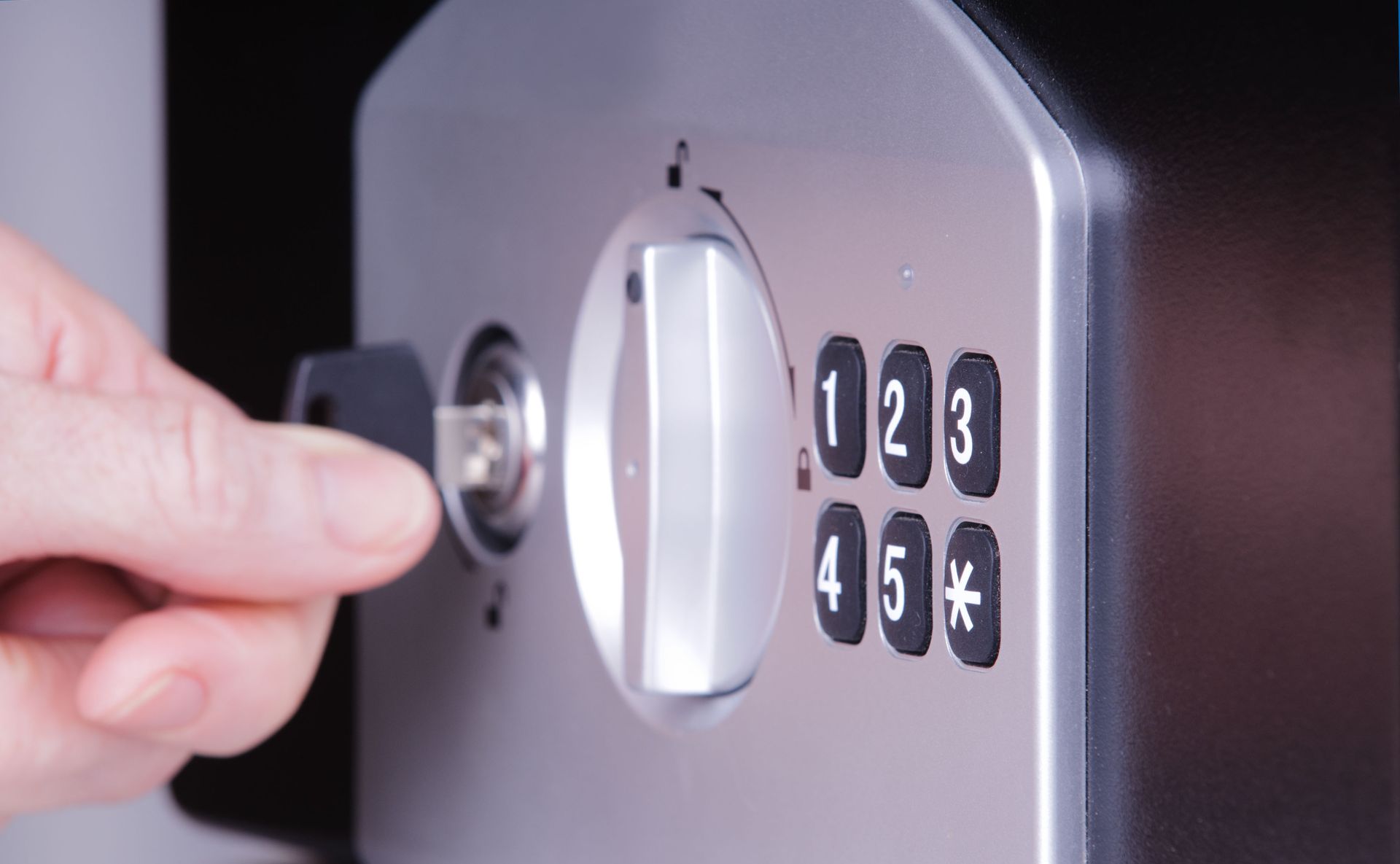
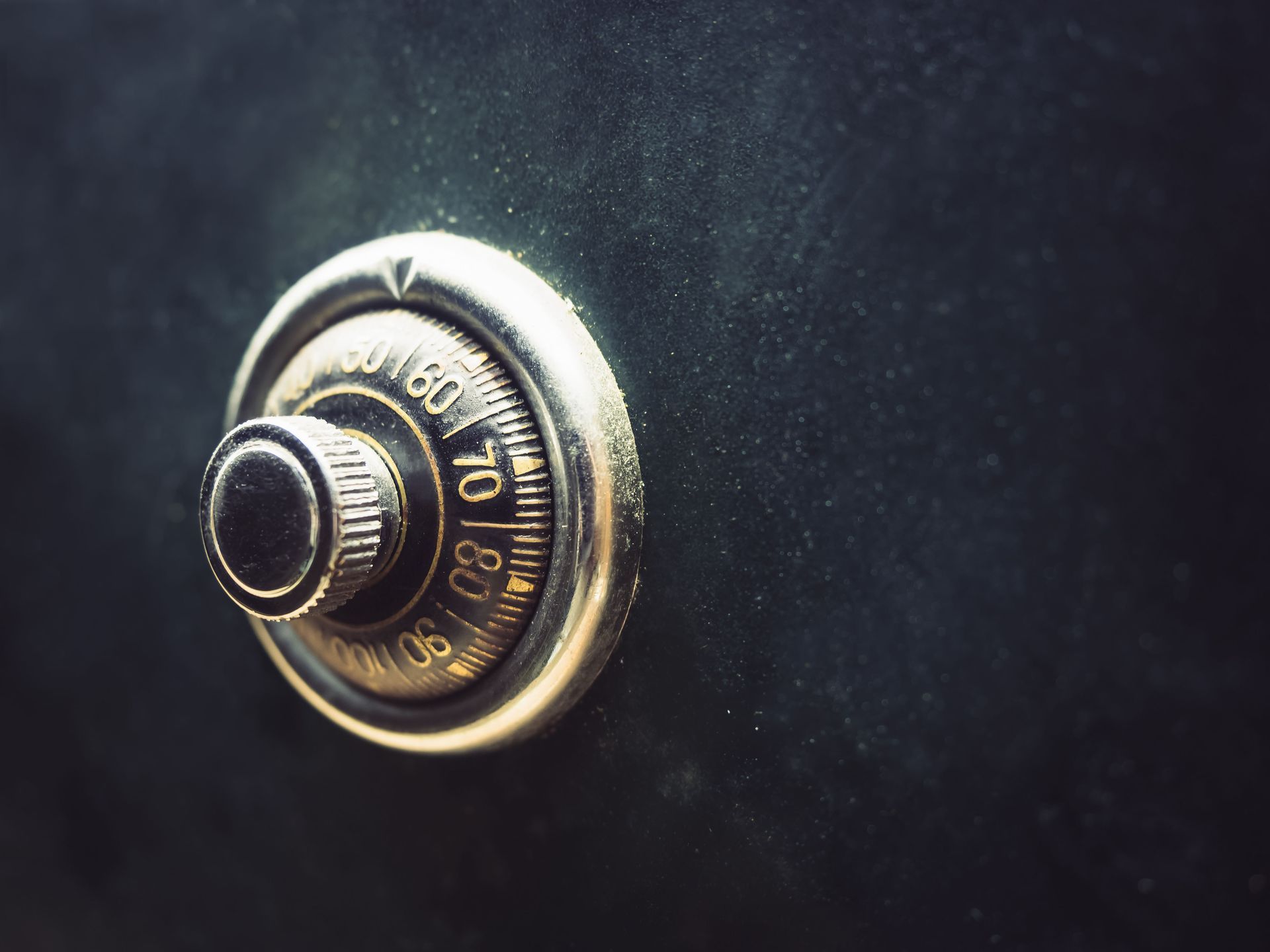
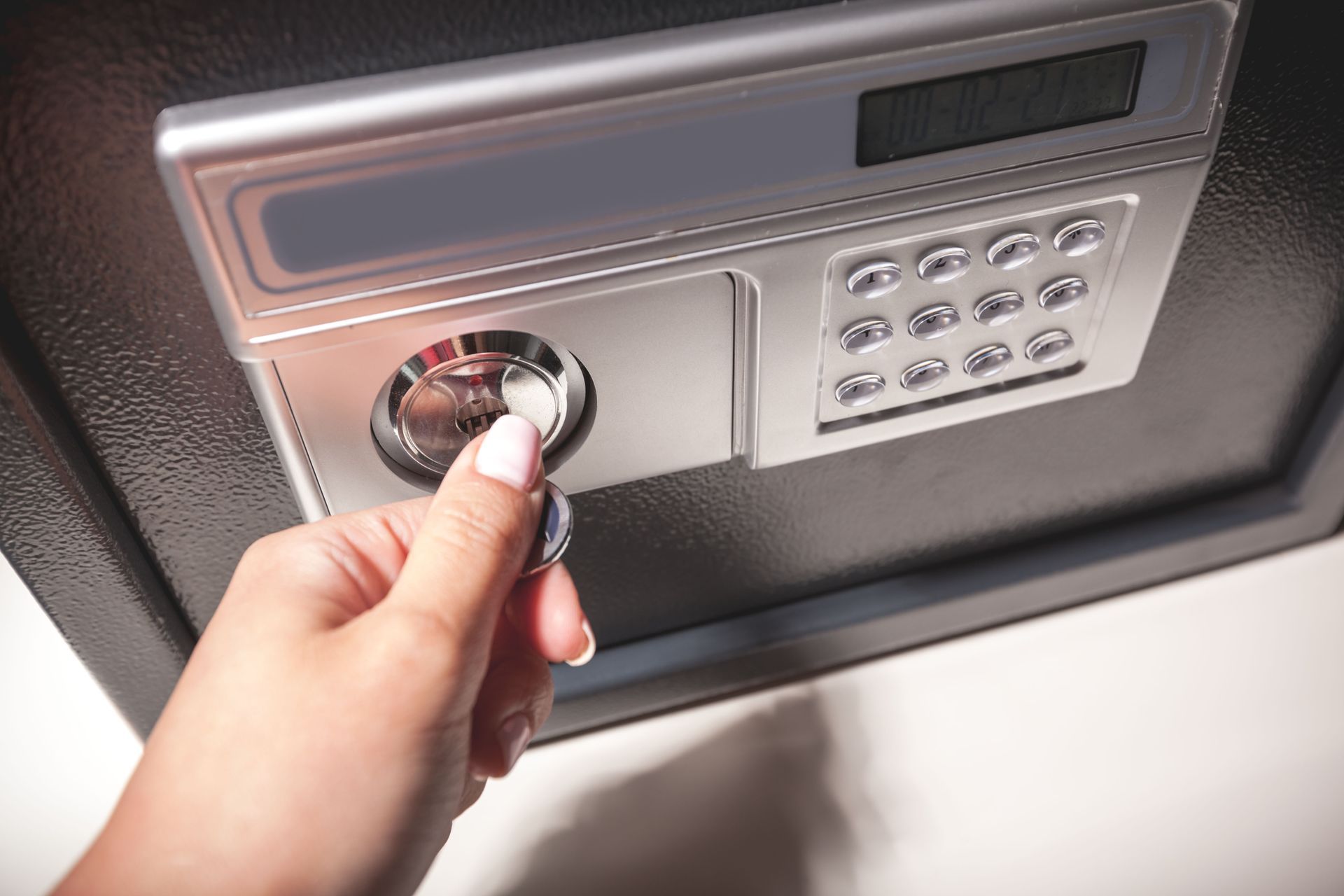
The locking system is one of the most important aspects of any safe. Traditional key locks are simple and reliable, but they carry the risk of lost or duplicated keys. Combination locks, whether mechanical or digital, offer added convenience and eliminate the need for physical keys.
More advanced safes may include biometric systems, allowing access through fingerprint recognition. These options provide quick entry while maintaining strong security. Regardless of the system you choose, pairing it with a professional-grade safe installation ensures the locking mechanism functions properly and remains secure over time. It also helps protect electronic components from wear and improper setup.
Review Fire and Water Protection Ratings
Protection from theft is only part of the equation. Many safes are designed to withstand environmental hazards like fire and flooding, which can be just as damaging as burglary. According to Outdoor Life, while the exact fireproof testing methods differ between labs, a safe is placed into a burn chamber where the temperature reaches 1,350 to 2,000 degrees and a temperature probe inside the safe measures how long it takes for the internal temperature to reach 350 degrees. This testing helps determine how well a safe can protect its contents during extreme conditions.
Choosing a safe with appropriate fire and water ratings adds another layer of protection. However, even the best-rated safe depends on proper placement and safe installation to deliver optimal performance when it matters most. Positioning the safe away from potential hazards such as flood-prone areas can further improve reliability.
Balance Budget With Long-Term Value
Budget is always a factor, but it is important to think in terms of value rather than just upfront cost. A higher-quality safe may come with a larger price tag, but it often includes better materials, stronger locking systems, and enhanced protection features. These benefits can save money and stress in the long run. In many cases, investing a bit more upfront helps avoid costly replacements, repairs, or potential losses down the line.
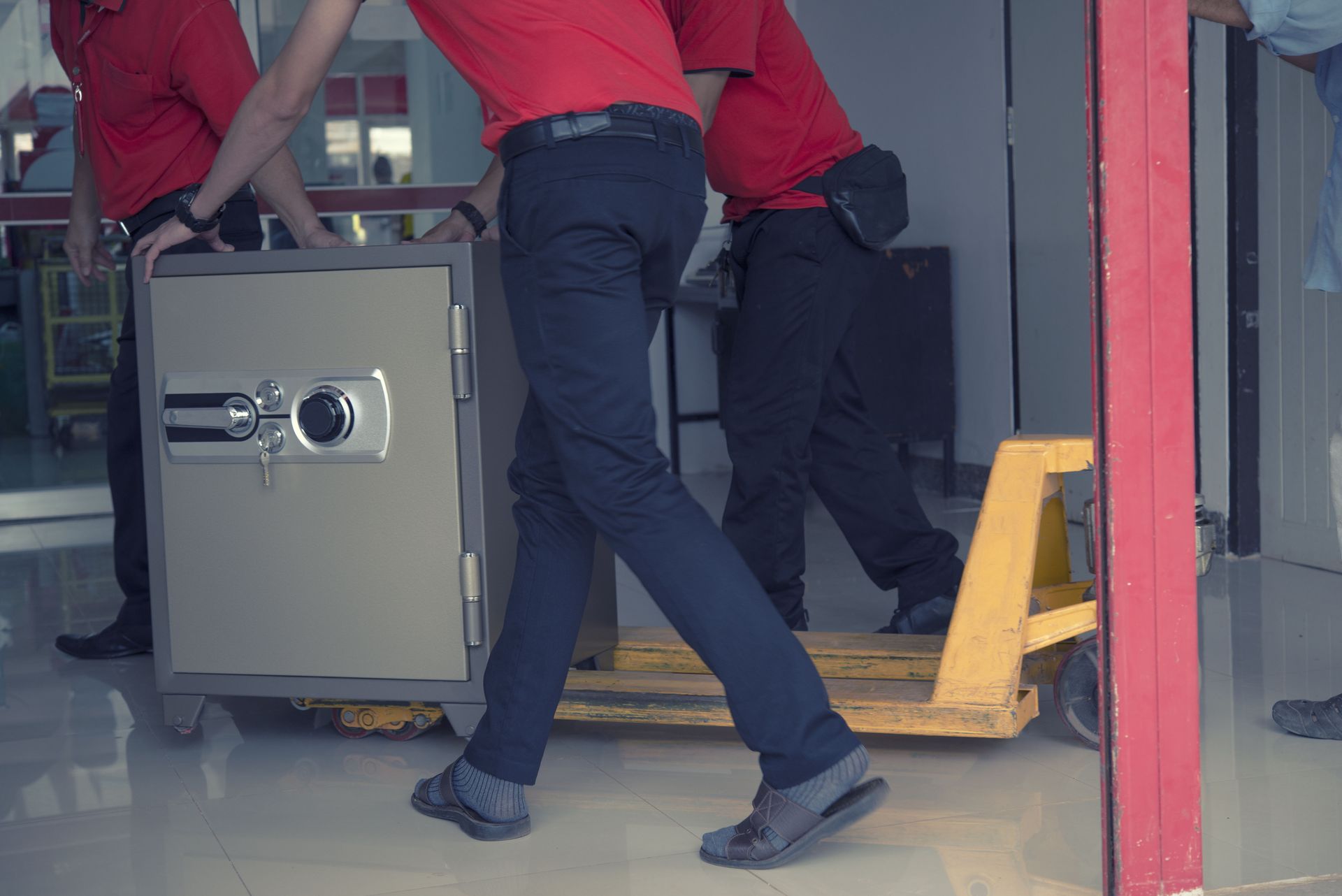
It is also worth considering professional services for delivery and setup. While this adds to the initial investment, it ensures a proper safe installation, reducing the risk of damage or improper placement that could compromise security. Financing options or phased upgrades can make it easier to invest in a higher-quality solution without stretching your budget too thin. Working with professionals also provides peace of mind, knowing every detail has been handled correctly from the start.
Work With Experienced Professionals
Choosing the right safe is only part of the process. Installation, maintenance, and occasional repairs are just as important. Working with experienced professionals ensures your safe is properly installed, functions correctly, and remains secure over time. With services ranging from residential and commercial locksmithing to safe sales, repairs, and installation, having expert support can make all the difference.
Experienced technicians understand how to handle different safe types, environments, and security requirements. Their knowledge helps ensure every detail from placement to anchoring is handled correctly, resulting in a truly reliable
safe installation. They can also offer recommendations based on your specific layout, helping you avoid common mistakes that reduce effectiveness.
Selecting the right safe is about more than just picking a box with a lock. It is about creating a complete security solution tailored to your needs. From choosing the right size and type to ensuring proper placement and features, every step contributes to long-term protection and peace of mind. At West End Safe & Lock, Inc, we are here to help you choose the right solution and ensure a professional safe installation that delivers lasting security. Contact us today to get expert guidance, dependable service, and a setup you can trust from day one.