September 4, 2026
Owning a secure container provides essential peace of mind by shielding your most valuable possessions, vital personal records, and family heirlooms from harm or theft. However, many property owners tend to forget that mechanical and electronic security systems require ongoing care to function reliably over many years. Neglecting regular checkups can result in unexpected mechanical jamming, combination alignment failures, or complete electronic keypad lockouts that disrupt your daily routine. Scheduling routine inspections helps identify minor component friction before it creates major locking failures. Investing time into proactive maintenance keeps your locking mechanisms operating smoothly, preserves long-term equipment value, and ensures uninterrupted access to your critical belongings whenever you need them.
Understanding the Internal Mechanics of Heavy Safes
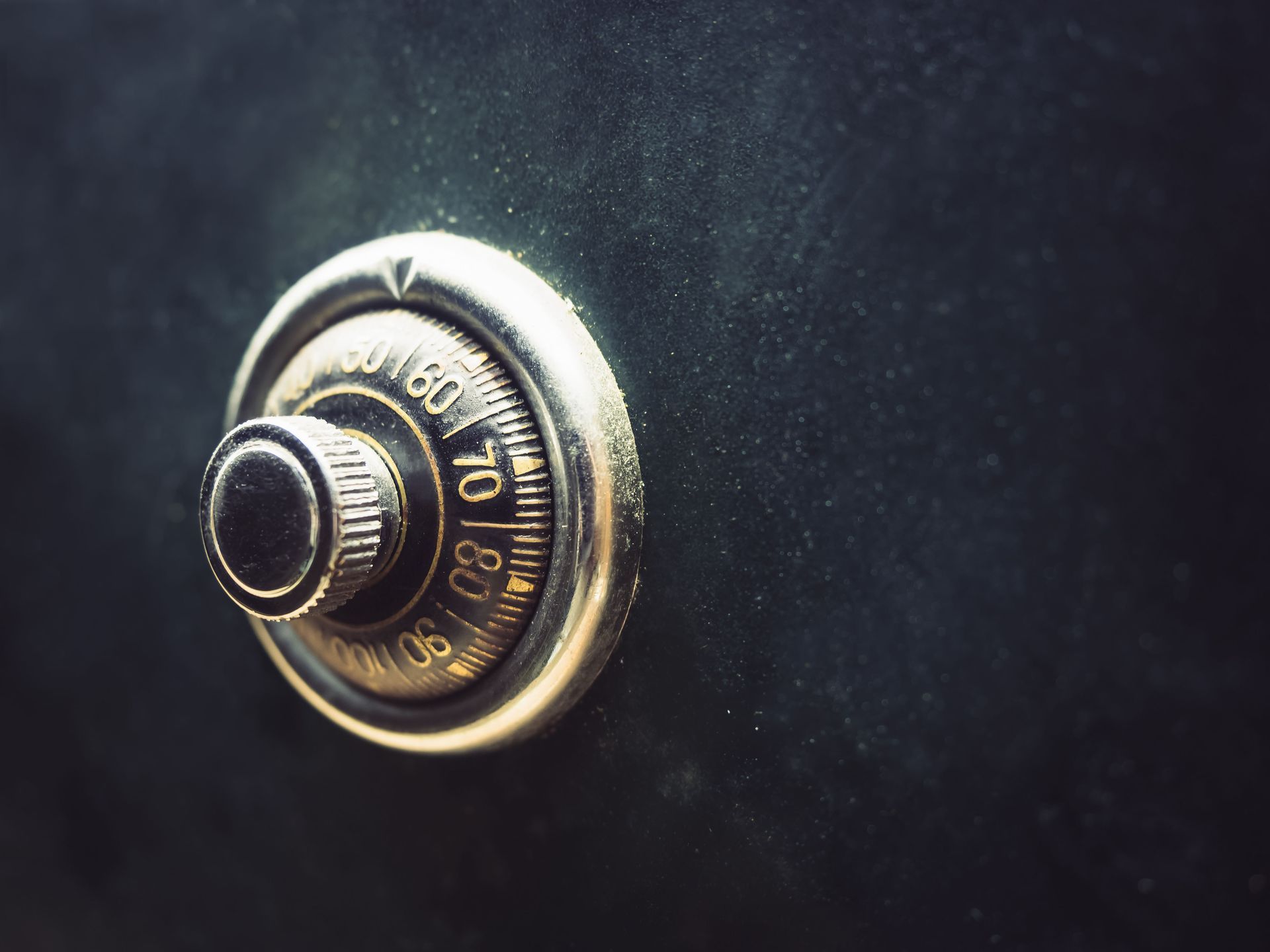
Inside every security container lies an intricate arrangement of moving parts, including steel locking bolts, relockers, drive wheels, and complex dial spindles. Every time you turn a combination dial or enter an electronic passcode, these internal components shift under mechanical pressure. Over time, original factory lubricants break down, allowing microscopic metal debris to collect inside the lock housing. Without routine cleaning and lubrication, friction gradually builds up, causing the dial to feel stiff or sluggish during normal operation. Ignoring early signs of internal resistance increases the likelihood of a sudden lockout that requires extensive safe repairs to resolve. Arranging routine service ensures that internal mechanisms remain properly aligned, lubricated, and capable of operating effortlessly without putting unnecessary strain on delicate internal linkages.
Recognizing Early Warning Signs of Mechanical Wear
Locking mechanisms rarely fail without providing subtle warning signs beforehand that indicate underlying mechanical issues. You might notice that a combination dial hesitates on specific numbers, or the handle requires extra force to extend the heavy locking bolts fully. Electronic keypads may beep unexpectedly, delay before retracting the bolt work, or fail to accept valid entry codes on the first attempt. Paying close attention to these small operational changes allows you to address mechanical wear before a complete lockout occurs. Requesting prompt safe repairs when initial symptoms appear prevents minor alignment issues from escalating into major internal failures. Addressing small mechanical problems early saves significant time, avoids emergency service costs, and keeps your security system operating dependably.
Establishing a Consistent Professional Service Schedule
Preventive maintenance is the single most effective strategy for preventing unexpected lockouts and preserving heavy security equipment. Many owners assume that security containers remain maintenance-free as long as the door opens, but internal parts slowly degrade over time regardless of visual appearance. According to BlueDotSafes, safes may be serviced every two to five years depending on the wear and tear. Adhering to a steady checkup schedule ensures that trained technicians can disassemble the lock housing, remove contaminated grease, and evaluate internal wear patterns. Routine inspections help catch failing relockers or loose dial spindles long before they cause a complete system jam. Establishing an ongoing care routine guarantees long-term operational reliability while reducing the need for urgent safe repairs during unexpected emergencies.
Protecting Electronic Locks from Power and Circuit Failures
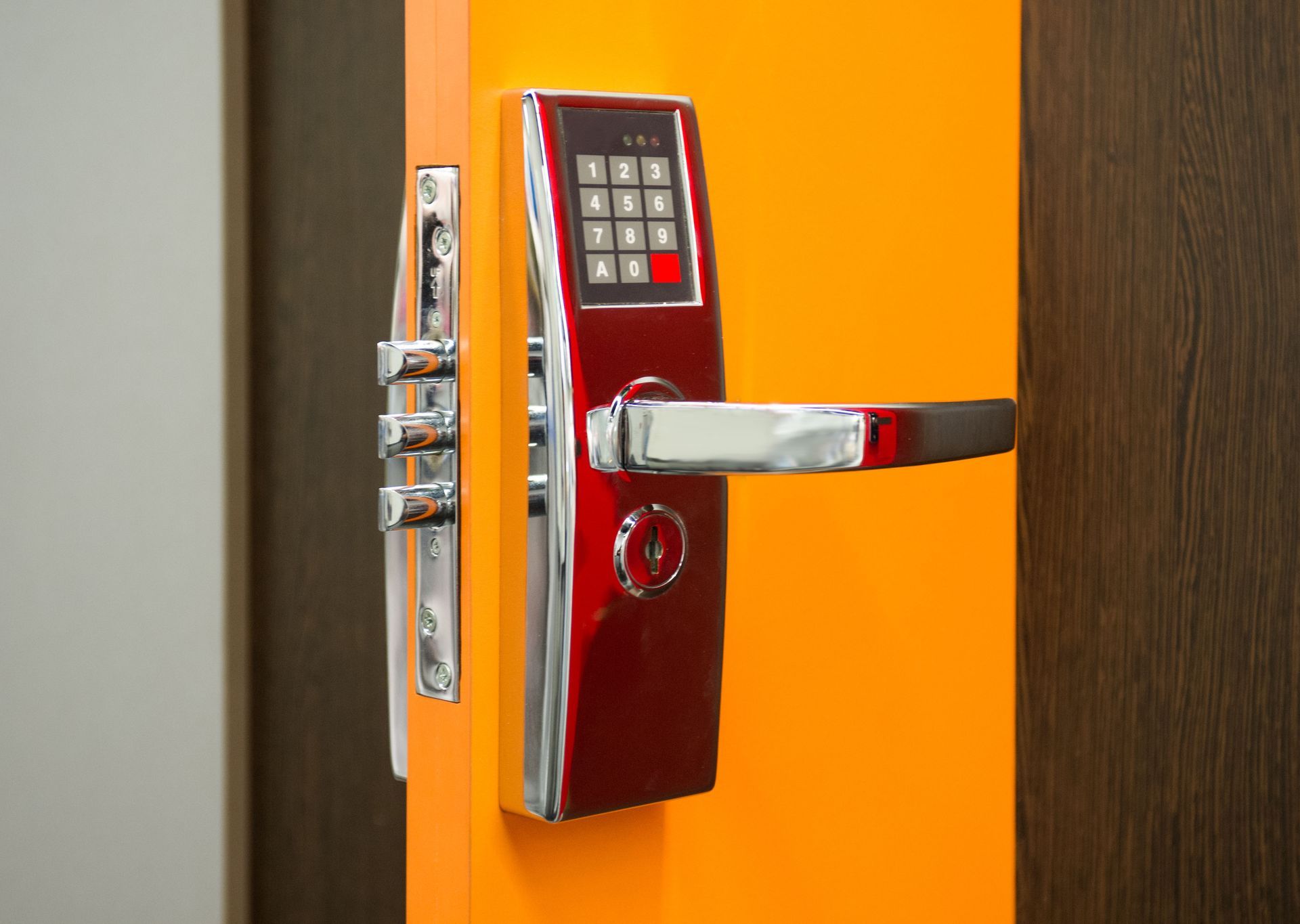
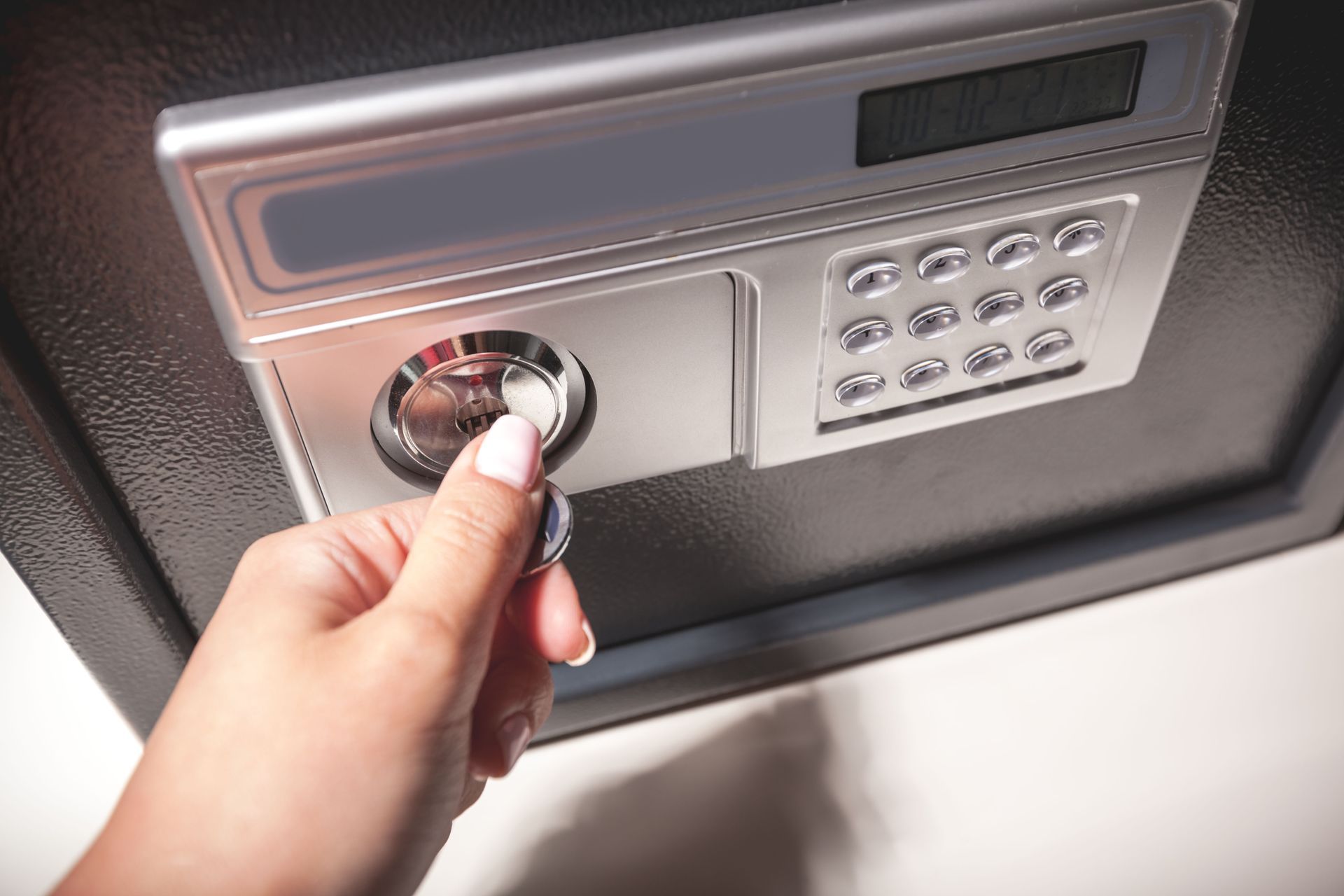
Electronic keypads offer exceptional convenience and quick access, but they rely on stable electrical circuits and consistent power delivery to function correctly. Low battery voltage is one of the most common causes of temporary electronic keypad lockouts, often causing the system to misinterpret valid user codes. Additionally, ambient humidity, dust accumulation, and daily keypad wear can degrade internal circuit boards over time. Scheduling periodic technical evaluations helps verify circuit integrity, test keypad responsiveness, and clean external touch points safely. If electronic components show signs of degradation, arranging timely safe repairs restores reliable access before total system failure occurs. Maintaining electronic locking systems ensures quick, hassle-free entry while preventing unexpected lockouts caused by depleted batteries or faulty wiring.
Managing Environmental Factors and Moisture Build Up
The physical environment surrounding your security container plays a major role in its long-term operational health and mechanical longevity. Placing a heavy steel container in humid basements, unconditioned garages, or exterior rooms exposes internal linkages to ambient moisture. High humidity levels encourage rust formation along raw steel locking bolts, door hinges, and internal locking frames. As rust accumulates, moving parts drag against each other, eventually jamming the handle or blocking the relocker mechanism entirely. Professional service visits include inspecting internal surfaces for corrosion and applying protective anti-moisture treatments. Protecting your investment against environmental degradation reduces mechanical friction and minimizes the need for structural repairs caused by rust or climate damage.
Preserving Fire-Resistant Seals and Structural Integrity
Fire-resistant security containers feature specialized expansion seals designed to swell when exposed to intense heat, creating an airtight barrier against fire, smoke, and water. Over several years, exposure to fluctuating room temperatures and dry air can cause these heat seals to harden, shrink, or detach from the door frame. Damaged door seals not only compromise fire protection ratings but can also interfere with proper door alignment and latching depth. If a door becomes misaligned, closing it forces heavy locking bolts to scrape against the frame, damaging the internal locking mechanism over time. Including door seals and frame alignment in your routine maintenance checks keeps fire barriers intact and prevents secondary locking damage that requires costly safe repairs.
Avoiding Common Missteps That Lead to Sudden Lockouts
Many unexpected lockouts occur due to simple operational oversights that put unnecessary stress on delicate internal lock components. Slamming heavy steel doors, forcing handles when bolts are partially extended, or spinning combination dials too rapidly can dislodge internal drive wheels and relockers. Overstuffing interior compartments can also push items against the door backplate, putting outward pressure on the locking boltwork while you attempt to open the unit. Understanding proper handling procedures keeps internal parts aligned correctly and operating smoothly. When unexpected mechanical jams occur from accidental misuse, seeking qualified
safe repairs ensures the locking mechanism is restored to factory standards without causing permanent structural damage to the container.
Upgrading Aging Lock Components for Better Security
As security technology advances, older mechanical dials and early-generation electronic keypads may become obsolete or increasingly prone to wear. Aging combination locks can experience tumbler wear, making accurate alignment difficult even when dialing the correct combination sequence carefully. Retrofitting your current container with modern, high-security locking units improves daily convenience while boosting overall resistance to manipulation. During routine maintenance, technicians can evaluate whether your existing hardware meets current security standards or requires component updates. Upgrading worn hardware during scheduled service visits provides superior operational strength, reducing the frequency of unexpected safe repairs and ensuring long-term peace of mind for your property.
Mitigating the High Costs of Emergency Opening Services
When a security container suffers a catastrophic lock failure, regaining access to your belongings usually requires specialized drilling, scope inspections, or heavy mechanical manipulation. Emergency lockout services demand significant technical expertise and advanced equipment, making unpredictable opening procedures far more expensive than routine checkups. Furthermore, repairing a drilled container to restore its original burglary or fire rating requires extensive labor and replacement hardware. Investing in proactive maintenance significantly lowers the probability of sudden mechanical failure, helping you avoid costly emergency calls. Regular inspections ensure that subtle mechanical issues are corrected early, eliminating the need for invasive safe repairs down the road.
Partnering With Trained Professionals for Long-Term Care
Heavy security equipment features high-tension springs, hardened drill plates, and sensitive relocking devices that require exact technical precision during servicing. Entrusting your security equipment to experienced technicians guarantees that every adjustment complies with strict manufacturer specifications and security standards. Professional technicians possess the proper diagnostic tools to measure dial torque, inspect keyways, and test electronic logic boards safely. Establishing an ongoing service relationship ensures your equipment receives proper attention whenever minor operational changes occur. Professional care keeps your locking mechanisms working seamlessly year after year, protecting your valuable assets while preventing complex safe repairs caused by neglect or improper servicing.
Maintaining a heavy security container is an essential responsibility for any property owner who relies on secure, dependable access to valuable possessions and confidential files. Routine care prevents mechanical wear, protects electronic components from failure, and shields internal locking structures from environmental damage. Catching minor alignment issues early stops frustrating lockouts from disrupting your schedule while avoiding the heavy expenses associated with emergency opening procedures. Protecting your investment with ongoing care gives you complete confidence that your belongings remain secure and accessible at a moment's notice. To schedule a comprehensive inspection and ensure your locking setup operates flawlessly, contact West End Safe & Lock, Inc today.