July 23, 2026
Safes play an essential role in protecting valuables, sensitive documents, and personal belongings. Whether used in homes or businesses, a reliable safe provides peace of mind and long-term security. However, like any piece of equipment, safes can experience wear, damage, or changes in functionality over time. Knowing when to repair, replace, or reinstall your safe is key to maintaining effective protection and avoiding unexpected issues.
Many property owners assume that once a safe is installed, it will continue to perform without any need for attention. In reality, factors such as aging components, evolving security needs, and environmental conditions can all impact how well a safe functions. This is why understanding your options for safe sales, repairs, and installations is so important when evaluating the condition of your unit.
According to Fortune Business Insights, trade data shows that the United States produced approximately 150,000 safes in 2023, with about 35% classified as electronic models. This growing presence of advanced technology highlights the importance of maintaining and upgrading safes to keep up with modern security standards.
We’ve seen how evaluating these factors can help property owners make informed decisions. Here are key considerations that can help determine whether it’s time to repair, replace, or reinstall your safe.
Identifying Mechanical Issues
Recognizing Lock Malfunctions
One of the most common signs that a safe needs attention is a malfunctioning lock. Difficulty turning the dial, entering codes, or unlocking the door can indicate internal wear or damage. Addressing these issues early helps prevent complete lock failure.
Noticing Delayed Response Times
Electronic safes may begin to show delays when responding to keypad inputs. This can be a sign of aging components or electrical issues that require professional evaluation. Consistent performance is essential for reliable access.
Detecting Unusual Noises
Grinding, clicking, or other unusual sounds when operating a safe can point to mechanical problems. These noises often indicate internal components that are no longer functioning smoothly. Early repair can help prevent more extensive damage.
Evaluating Overall Functionality
If opening or closing your safe feels more difficult than usual, it may be time for service. Smooth operation is a key indicator of a properly functioning unit. Routine safe sales, repairs, and installations can help restore performance and extend usability.
Addressing mechanical issues promptly helps maintain security and prevents further complications that could impact access to your valuables.
Assessing Structural Damage
Inspecting Exterior Surfaces
Visible damage such as dents, cracks, or corrosion can weaken a safe’s structure. These issues may compromise the unit’s ability to protect its contents effectively. Regular inspections help identify these concerns early.
Checking Door Alignment
A misaligned door can prevent the safe from sealing properly. This can affect both security and fire resistance. Proper alignment is essential for maintaining the integrity of the unit.
Identifying Seal Wear
Over time, seals that protect against fire or water damage can deteriorate. Worn seals reduce the safe’s ability to provide full protection. Evaluating these components helps determine whether repairs or replacement are needed.
Evaluating Long-Term Durability
Structural wear can accumulate over years of use. In some cases, replacing the safe may be more effective than repairing multiple issues. Professional safe sales, repairs, and installations help determine the best course of action.
Maintaining structural integrity ensures that your safe continues to provide reliable protection under various conditions.
Evaluating Security Needs
Adapting to Changing Risks
Security needs can evolve over time due to changes in the environment or usage. A safe that once met your requirements may no longer provide adequate protection. Reassessing your needs helps determine if an upgrade is necessary.
Upgrading Lock Technology
Modern safes offer advanced locking mechanisms that improve security. Upgrading from older systems to newer technology can enhance protection and convenience. This is especially important for electronic models.
Expanding Storage Capacity
If your storage needs have grown, your current safe may no longer be sufficient. Limited space can lead to overcrowding, which can affect organization and accessibility. Larger or additional units may be required.
Enhancing Overall Protection
Improved security features provide greater peace of mind. Evaluating your current setup helps identify opportunities for improvement. Safe sales, repairs, and installations can support these upgrades effectively.
Regularly reviewing your security needs ensures that your safe continues to meet your expectations and protect your assets.
Considering Relocation Requirements
Moving to a New Property
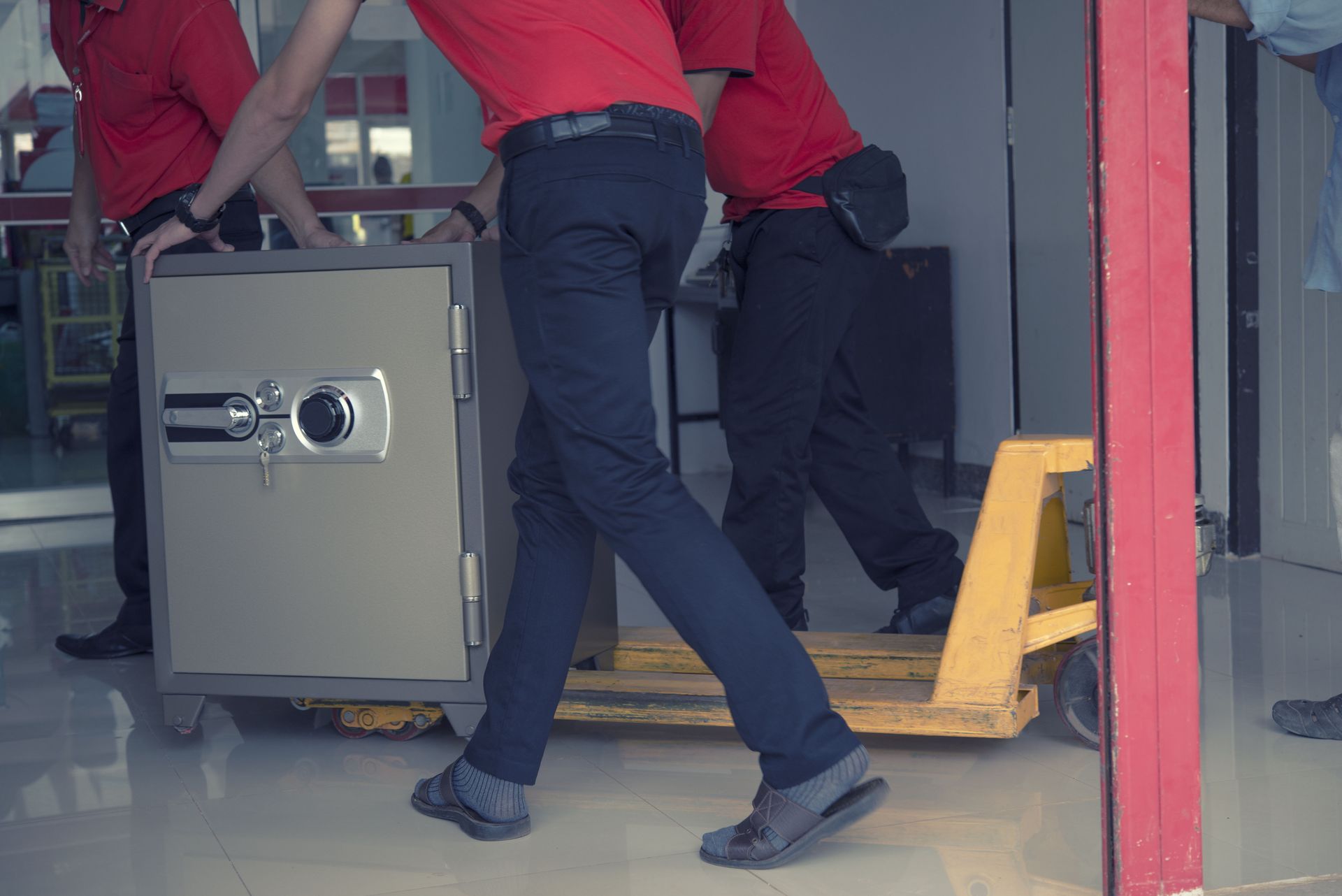
Relocating to a new home or business location often requires moving your safe. Proper reinstallation ensures that it remains secure and functional in its new environment.
Repositioning Within a Space
Changes in layout or usage may require repositioning a safe. Proper placement can improve accessibility and security. Professional handling helps prevent damage during the process.
Ensuring Proper Anchoring
Safes must be securely anchored to prevent unauthorized removal. Reinstallation provides an opportunity to reinforce these measures. Secure placement enhances overall protection.
Maintaining Performance After Moves
Transporting a safe can affect its internal components. Post-move inspections help ensure everything is functioning correctly. Safe sales, repairs, and installations help maintain reliability after relocation.
Proper relocation ensures that your safe continues to perform effectively in its new setting.
Addressing Aging Equipment
Recognizing Outdated Features
Older safes may lack modern features that improve usability and security. Identifying outdated components helps determine whether replacement is necessary.
Monitoring Performance Decline
Gradual declines in performance can indicate aging equipment. These changes may include slower operation or reduced reliability. Addressing these issues helps maintain consistent functionality.
Comparing New Options
Advancements in safe design provide improved performance and security. Comparing your current safe to newer models can highlight potential benefits of upgrading.
Planning for Replacement
When repairs become frequent or costly, replacement may be the most practical solution. Safe sales, repairs, and installations can guide this decision based on your needs.
Replacing aging equipment ensures that your security system remains effective and up to date.
Improving Installation and Placement
Optimizing Location
The placement of a safe can impact both accessibility and security. Choosing the right location helps balance convenience with protection.
Enhancing Accessibility
Proper installation ensures that the safe is easy to use while remaining secure. Accessibility plays a key role in daily functionality.
Supporting Environmental Protection
Environmental factors such as humidity or temperature can affect a safe’s performance. Proper placement helps minimize these risks and maintain long-term durability.
Ensuring Professional Installation
Correct installation is essential for optimal performance. Professional safe sales, repairs, and installations ensure that all components are properly aligned and secured.
Improving installation and placement helps maximize the effectiveness of your safe while supporting long-term reliability.
Deciding whether to repair, replace, or reinstall your safe requires careful consideration of its condition, performance, and your current security needs. From addressing mechanical issues to upgrading outdated features, each decision plays a role in maintaining effective protection. Taking the time to evaluate these factors helps ensure that your safe continues to perform as expected.
By working with professionals who understand safe systems, you can make informed choices that support both security and convenience. Regular maintenance and timely upgrades help prevent issues and extend the lifespan of your safe. This proactive approach ensures that your valuables remain protected over time.
If you’re ready to evaluate your safe and explore your options, contact West End Safe & Lock, Inc today to learn how safe sales, repairs, and installations can help maintain your security and peace of mind.